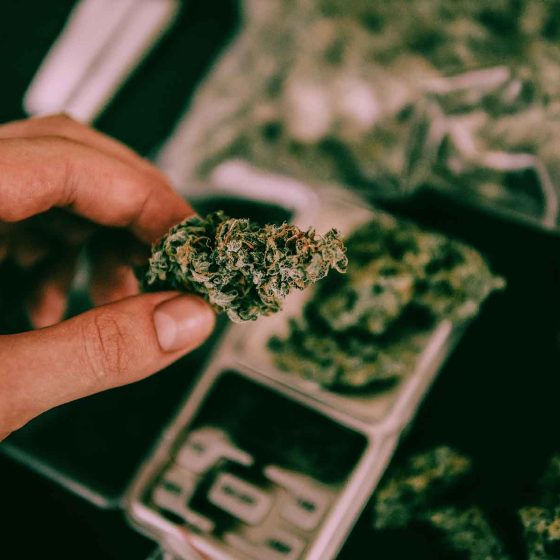
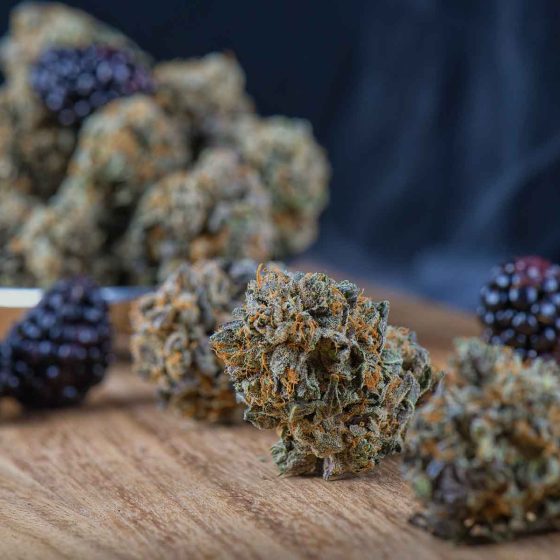
Have you ever been rummaging through a drawer for the first time in a while – maybe you’re looking for a long-lost lighter or frantically searching for some rolling paper – when you find something you had completely forgotten about – an old bag of weed. Your initial reaction is probably one of celebration, like that feeling of finding a tenner in a jacket you haven’t worn for months. But then you might start to wonder whether this elusive weed is still safe to smoke. Does weed go bad like some food products? Or will it have lost its flavour or potency?
It might look a little dry and maybe it’s lost some of its distinctive odour, but does any of this mean that you shouldn’t use it? Let’s take a look at the lifespan of cannabis and everything you need to know about that old bag in the back of your drawer.
How long does weed stay fresh?
In its dried flower form, cannabis can stay fresh for a surprisingly long time, especially if stored properly. Of course, this largely depends on how well-cured the buds are, too. Generally speaking, well-cured, appropriately stored weed (kept in an airtight container out of direct sunlight) could still be good for up to a year and maybe even eighteen months. But let’s not start celebrating yet. There are other things to consider, from the potential presence of dust and mould to how much of your weed’s original potency remains.
Will old weed still get you high?
Most findings indicate that cannabis flower will begin to lose its potency after just six months. Any amount of time spent sitting in your drawer after this period will continue to contribute to your weed’s loss of potency.
This is because THC – the key psychoactive constituent of cannabis – begins to oxidise to cannabinol (CBN) over time. This was highlighted in a study by the United Nations Office on Drugs and Crime in 1999. According to their findings, the concentration of THC in cannabis decreases by approximately 16% after one year, 26% after two years, 34% after three years, and 41% after four years.
Of course, THC isn’t the only ingredient of value in cannabis; so, what about other cannabinoids and terpenes?
Unfortunately, it’s more of the same. It seems that time is not kind on any ingredient in cannabis (except maybe CBN). Cannabinoids are unstable compounds that are vulnerable to degradation over time, especially when exposed to light, heat or air. The same is true of terpenes with outside elements known to accelerate their degradation, leading to a reduction in the overall quality, flavour, and effects of cannabis.
But, technically speaking, this doesn’t mean that your weed has “gone off” – it simply means that it won’t be as effective as it once was. However, there are some other factors you should consider before adding your old cannabis to a joint or throwing it in a bowl.

Is your cannabis mouldy?
Mould can affect cannabis just as it does other perishable goods. Unfortunately, given the already green colour and furry texture of weed, it can be harder to spot than the green-blue patches on an old loaf of bread. So, you should always exercise extra caution when assessing the smoke-ability of your old weed.
Mouldy weed should be avoided as it can cause harmful reactions, including nausea, coughing, and even vomiting when consumed. In most cases, smoking mouldy weed won’t cause any dangerous or lasting damage; however, if consumed regularly, it can lead to the development of lung infections and long-term respiratory issues.
If your stash has been exposed to moisture – for example, it has been stored in a damp container – there is a very good chance that mould will have started to grow. The good news is, if you’re storing your cannabis effectively in a cool, dry, airtight container, there will be little opportunity for mould to grown on it. But even if you’re confident that you have stored your weed effectively, it’s still a good idea to give it a thorough examination for any mould.
There are a number of different moulds that can affect your weed. They can differ in appearance from the black or white powdery spots of mildew to grey bud rot or botrytis. Luckily, we have looked into this issue in more detail in our article, “Cannabis mould – what is it, and how do you spot it?”.
Other tell-tale signs your weed is past its best
Even if you haven’t been able to spot any mould growing on your buds, some other signs may be present to indicate your weed has gone bad. While any weed that has been forgotten about for a long time is sure to be a lot drier than your fresh buds, if it crumbles or turns to dust when you rip it up, it is likely past its best. At the other end of the spectrum, if your weed is damp or mushy, it’s probably best to throw it out.
How to keep your weed buds fresh
As we have stressed already, storing your weed properly is the best thing you can do to ensure it stays fresh and mould-free for as long as possible. Always make sure your flower and buds are kept out of direct sunlight and are not left open to air and moisture while maintaining an ideal humidity level – this is usually between 55 and 63%. To achieve these conditions, you should ideally steer clear of basic plastic baggies and opt for containers designed specifically for storing cannabis. Failing this, a mason jar is ideal.
Most of these guidelines should also be applied to other cannabis products, including edibles, oils and concentrates to maintain maximum freshness for as long as possible.
Final words
While cannabis doesn’t usually come with a clear “use by” date like many of the other consumables in our homes, that doesn’t mean it can’t go bad. As a perishable product, weed is still vulnerable to degradation and mould infestation. So, while your first instinct might be to celebrate with a cheeky joint, it’s probably a good idea to carry out a closer inspection first.