Over the last few years, cannabis has become increasingly available through both legal channels as well as from the black market sources that have become the norm since the introduction of prohibition around a century ago. The gradually expanding acceptance of recreational cannabis use in various countries around the world has led to a more educated population with regard to best-standard cultivation practices.
Many consumers are now more aware of factors such as the use of dangerous and banned pesticides, the presence of heavy metals, and other potentially harmful chemicals – even to the point that we can question the use of irradiation techniques by legal cultivators. But what about plant growth regulators, aka PGRs? What are they and should we be avoiding PGR weed?
What are Plant Growth Regulators?
The first thing we need to know about PGRs is that they are far from exclusive to cannabis cultivation. In fact, the first PGRs were developed to increase the yields of pineapple crops. Since then, PGRs have been used in farming for decades and have been mixed up in their fair share of controversies.
PGRs are used to control various aspects of the growth process, from the size of roots, leaves and flowers to the length of plants’ flowering period. PGRs can also make plants more resistant to pests and mould, make them more suitable for indoor growing, and increase harvests. All of this can potentially be seen as a positive, but there are some serious drawbacks to using certain PGRs in consumable products.
What are PGRs used for in cannabis cultivation?
Just like other cultivators, from apple farmers to tulip growers, cannabis cultivators may choose to utilise PGRs to more easily achieve bigger and better products. But the fact is, while PGRs may be incredibly useful for the cultivation of ornamental flowers and plants, their use in consumable plants can have some significant drawbacks – for the consumer, anyway.
PGR weed may appear to be bigger, bushier and denser than normal weed, but evidence suggests that this comes at the cost of terpene content, effects, and flavour. Not only could you be getting a worse quality product for your money, but you could also be unwittingly consuming potentially harmful substances.
What are the associated harms?
Despite being useful for boosting flower and leaf production, many PGRs come with some significant downsides. One such PGR is Daminozide. While this chemical was originally developed for use in flowers and ornamental plants, its use eventually became common in food production, leading to the so-called “alar scare” of the late 1980s. Eventually, Daminozide was found to be a carcinogen and has been found to be toxic to several organs in animals and humans. Yet, Daminozide, and other PGRs like it, are still being used in the cannabis industry by cultivators looking to maximise their yields.
PGRs like Daminozide, Paclobutrazol, Chlormequat chloride and others are still used in cannabis cultivation, despite the known harms of consuming these chemicals. Worst of all, even the most well-meaning cultivators may be unwittingly exposing their crops to some of these chemicals, due to their presence in hydroponics products.

Evidence shows that smoking or vaporising of PGR-treated cannabis can lead to a number of unwanted and harmful side effects. For example, the short-term effects of PGR weed can include nausea, vomiting, respiratory issues, and skin and eye irritation. Moreover, long-term exposure to PGR-treated cannabis – and other consumables – could potentially even cause lung damage, fertility problems, and a reduction in antioxidant and amino acid levels.
Can PGR weed kill you?
Worryingly, cannabis treated with PGRs may lead to serious health repercussions. Some PGRs, such as Daminozide, have faced considerable scrutiny for their harmful effects, leading to issues like nephrotoxicity and even teratogenicity. Studies, such as this 2018 paper, underscore that residues from these chemicals can lead to significant health risks, putting consumers at risk of conditions ranging from lung damage to reproductive issues. This raises the question: Can PGR weed kill you? While it’s unlikley, the long-term effects of consuming such products can lead to serious consequences.
Even if PGRs don’t lead to health problems, the presence of PGRs in the cannabis growing process can indicate that the producer isn’t putting consumer safety first. PGR-grown weed could also be sprayed with synthetic cannabinoids to maximise profit, so it’s best to avoid it.
How to recognise PGR weed
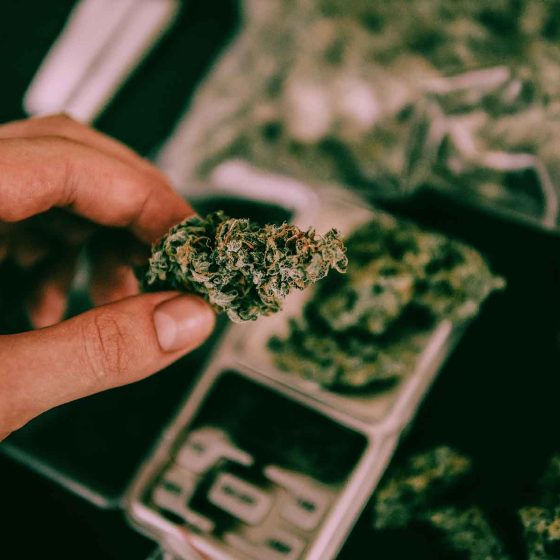
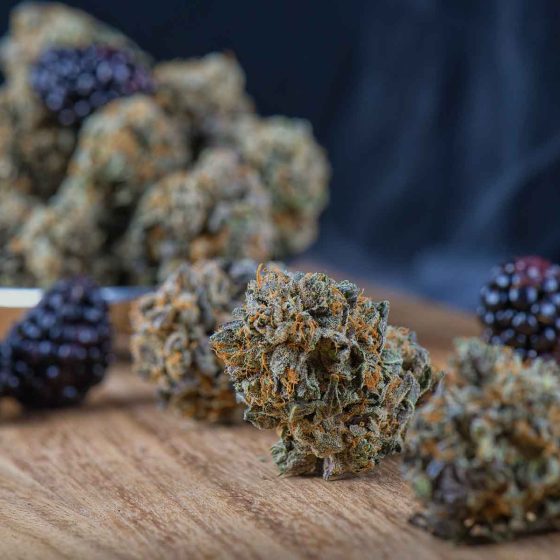
While this might all sound quite gloomy, the good news is that it is usually fairly easy to distinguish PGR cannabis from naturally cultivated buds. While you can often distinguish individual leaves and flowers in a naturally-grown cannabis bud, PGR weed often has smooth, more rounded edges. It often looks and feels spongy and dense and will have fewer trichomes (the hair-like part of the plant that produces much of the plant’s cannabinoids and terpenes).
PGR-treated cannabis often has a weaker scent and a duller colour than its natural counterpart. The presence of red or brown hairs on buds and/or a harsh chemical taste on consumption can also be tell-tale signs that your cannabis has been treated with PGRs.
Natural alternatives to chemical PGRs
It goes without saying that synthetic PGRs are best avoided completely; however, there are some natural PGRs that can be utilised as alternatives to help improve cannabis yields. For example, some cultivators use products such as alfalfa, seaweed, and even crustaceans to promote healthy cannabis growth in a natural and safe manner.
Depending on where you are in the world, accessing quality cannabis from trusted cultivators can be a difficult prospect. But arming yourself with the knowledge needed to avoid potentially harmful PGR-treated cannabis is a good place to start.