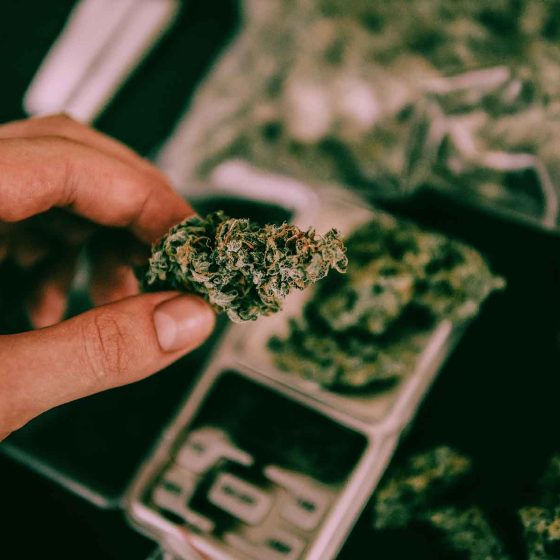
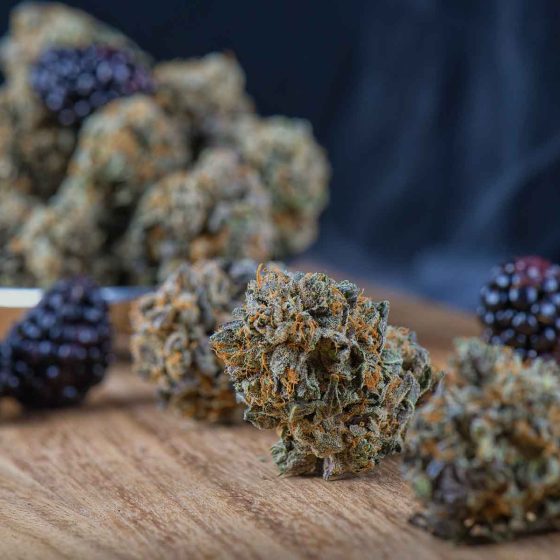
In April 2024, the German government finally introduced its long-awaited – and amended – cannabis reform legislation. As of the 1st of April this year, adults in Germany have been permitted to carry up to 25g of dried cannabis and cultivate up to three plants, per household, at home. The legalisation of cannabis possession and cultivation is part of wider reforms which include partial decriminalisation of cannabis use and the introduction of legal cannabis social clubs.
In a country typically recognised for its vast beer popularity, the relaxation of cannabis laws was welcomed by many; however, there are still those who oppose the changes, citing concerns over the effects of easier access to cannabis on youth populations. So, what does the picture look like one month on?
What’s changed in Germany
The first day of April marked a turning point for cannabis in Germany; however, it is only the start of the country’s road to reform. As mentioned above, this first phase means that the possession and cultivation of cannabis is now legal in Germany. In addition, adults aged over 18 are permitted to consume cannabis in public, so long as they are not within 100 metres of a school, sports centre, or in “pedestrian zones” between the hours of 07:00 and 20:00.
The second phase of reforms, scheduled to be introduced on the 1st of July, will see the introduction of cannabis “social clubs”. These grower associations will be permitted to accept up to 500 members. Cannabis cultivated at the clubs will be distributed among members; however, they must operate on a strictly not-for-profit basis. Furthermore, unlike the Netherlands’ world-famous coffee shops, the clubs will only be open to German citizens and consumption of the drug will not be permitted on-site.
While being introduced in two phases, these changes mark only the “first pillar” of cannabis reforms in Germany. The second pillar is expected to see the launch of Switzerland-style adult-use pilot projects. Switzerland opened its first retail cannabis dispensaries last year as part of a wider study on the controlled supply of recreational cannabis. According to recent reports, Germany could see the introduction of similar schemes much sooner than expected.
Public reaction so far
Unsurprisingly, many people in Germany are thrilled with the introduction of the new rules. Berlin’s 4/20 event got a whole new lease of life as a reported 4,000 people gathered at one of the capital’s most iconic landmarks, Brandenburg Gate, for a legal “smoke-in”.
The removal of cannabis from the country’s narcotics list has also had a surprising impact on patient numbers. Before the law change, it was estimated that around 300,000 in Germany were prescribed cannabis for medical reasons. According to multiple sources from within the industry, patient numbers have soared since April 1st, with one suggesting 70,000 new patients have been added in just one month.
However, not everyone is best pleased with the changes – some members of the public feel the rules go too far, while some activists feel they don’t go far enough. There remains some staunch opposition to the new reforms in Germany, with the German Police Union (GdP) repeatedly raising concerns that the burden of implementing the new laws will placed on federal states and local authorities. Some argue that permitting the possession of 25g of cannabis could also make it difficult for police to differentiate between legal consumers and black-market dealers.

Opposition at Oktoberfest
It also appears that not all German states are on board with the full range of reforms. Authorities in the southeastern state of Bavaria – known for its beer production – announced that it would ban cannabis at the world-famous Oktoberfest festival in Munich. The plan would prohibit cannabis consumption in beer gardens, public festivals, and restaurant terraces.
The announcement drew criticism from some who were quick to point out the hypocrisy of banning one drug at festivals that celebrate another – namely alcohol. Nonetheless, the head of Oktoberfest, Clemens Baumgärtner, argued that “a family festival like the [Oktoberfest] and cannabis consumption don’t go together.”
Meanwhile, the Bavarian Health Minister, Judith Gerlach, told web.de news portal, “Our aim is to limit cannabis consumption in public spaces. That is important for health protection and especially for protecting children and young people.”
Baumgärtner, Bavaria’s Premier and Health minister are members of the conservative Christian Social Union party, based in Bavaria, which opposed the legalisation of cannabis in Germany.
Every underground electronic music venue I know allowed the consumption of weed and didn’t say anything as long as it was a reasonable amount–and most often the police turned a blind eye too.”
While pockets of opposition exist in some regions, it appears the new rules haven’t really changed much in Berlin, which has long operated a more relaxed approach to cannabis than many other parts of the country. Under the new legislation, club-goers will -depending on the specific establishment’s policy – be able to legally light up a joint in clubs. But one club promoter told RA that Berlin looks the same after legalisation as it did before.
He pointed out, “Every underground electronic music venue I know allowed the consumption of weed and didn’t say anything as long as it was a reasonable amount–and most often the police turned a blind eye too.”
Still, reaction to the new rules has been overwhelmingly positive – both in Germany and throughout the rest of Europe, where many hope Germany’s reforms will catch on. But for now, the rest of the world is watching to see how the second phase of reforms pans out.