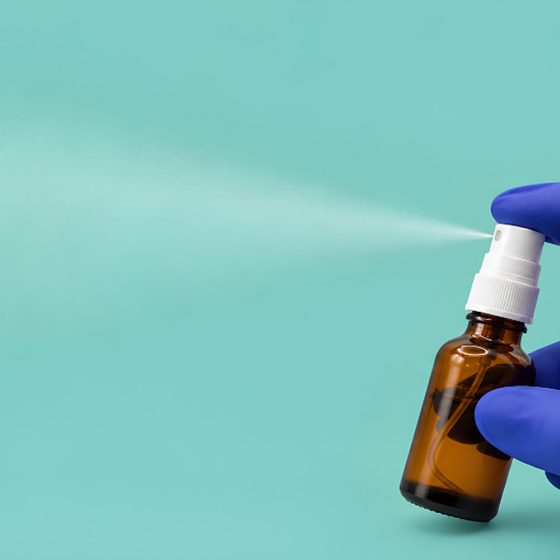
Vaporised N,N-dimethyltryptamine (DMT) can provide significant and lasting relief for patients with treatment-resistant depression, according to new research published in the journal Neuropsychopharmacology.
The phase 2a clinical trial, led by researchers at Brazil’s Federal University of Rio Grande do Norte, found that 86% of participants experienced significant improvement within seven days of treatment, with benefits lasting up to three months.
Treatment-resistant depression (TRD) affects approximately 62 million people globally, about one-third of the estimated 185 million individuals living with depression. TRD patients have failed to respond to at least two different antidepressant treatments.
Studies have shown that other psychedelic drugs, such as psilocybin and LSD, could be a promising treatment for mental and physical health complaints such as postnatal depression, anorexia, and obsessive-compulsive disorder.
While these treatments can require hours of clinical supervision to allow for onset, monitoring and aftercare, vaporised DMT has no onset time and the effects last only 10-20 minutes. This shorter duration could make the treatment more practical and cost-effective for healthcare systems.
“Psychedelics like psilocybin and ayahuasca have shown promising antidepressant effects; however, their long duration (several hours) makes them costly and impractical for public health systems. N,N-Dimethyltryptamine (DMT), an endogenous psychedelic also found in ayahuasca, offers a viable alternative with a short duration of action (10–20 min) and non-invasive inhalation administration. Unlike ayahuasca, which contains monoamine oxidase inhibitors, vaporized DMT acts quickly and poses fewer pharmacological interaction risks,” the study said.

The study involved 14 patients who had all been diagnosed with TRD and were given two escalating doses of vaporised DMT, 15mg followed by 60mg, in a controlled clinical setting. Following treatment, patients’ symptoms of depression were rated using the Montgomery-Asberg Depression Rating Scale.
The results showed that patients experienced a sharp fall in depression symptom scores in the 24 hours after treatment. This was sustained for up to 3 months after just one day of treatment. Overall, 86% responded favourably to the treatment.
Additionally, suicidal ideations dropped dramatically, with none reported in the 24 hours post-treatment. And, 14% of the cohort were considered to be in complete remission by day 7.
The treatment was well-tolerated, with only mild and temporary side effects reported, such as throat discomfort during inhalation. Notably, patients could continue their existing antidepressant medications during the treatment.
While researchers acknowledge the study’s limitations due to its small sample size, they concluded that the treatment showed promise as a rapid-acting, practical treatment option for TRD.
“Vaporized DMT offers a non-invasive, time-efficient, and cost-effective alternative to other psychedelics and traditional antidepressants, supporting its role in interventional psychiatry and public health,” the authors said.