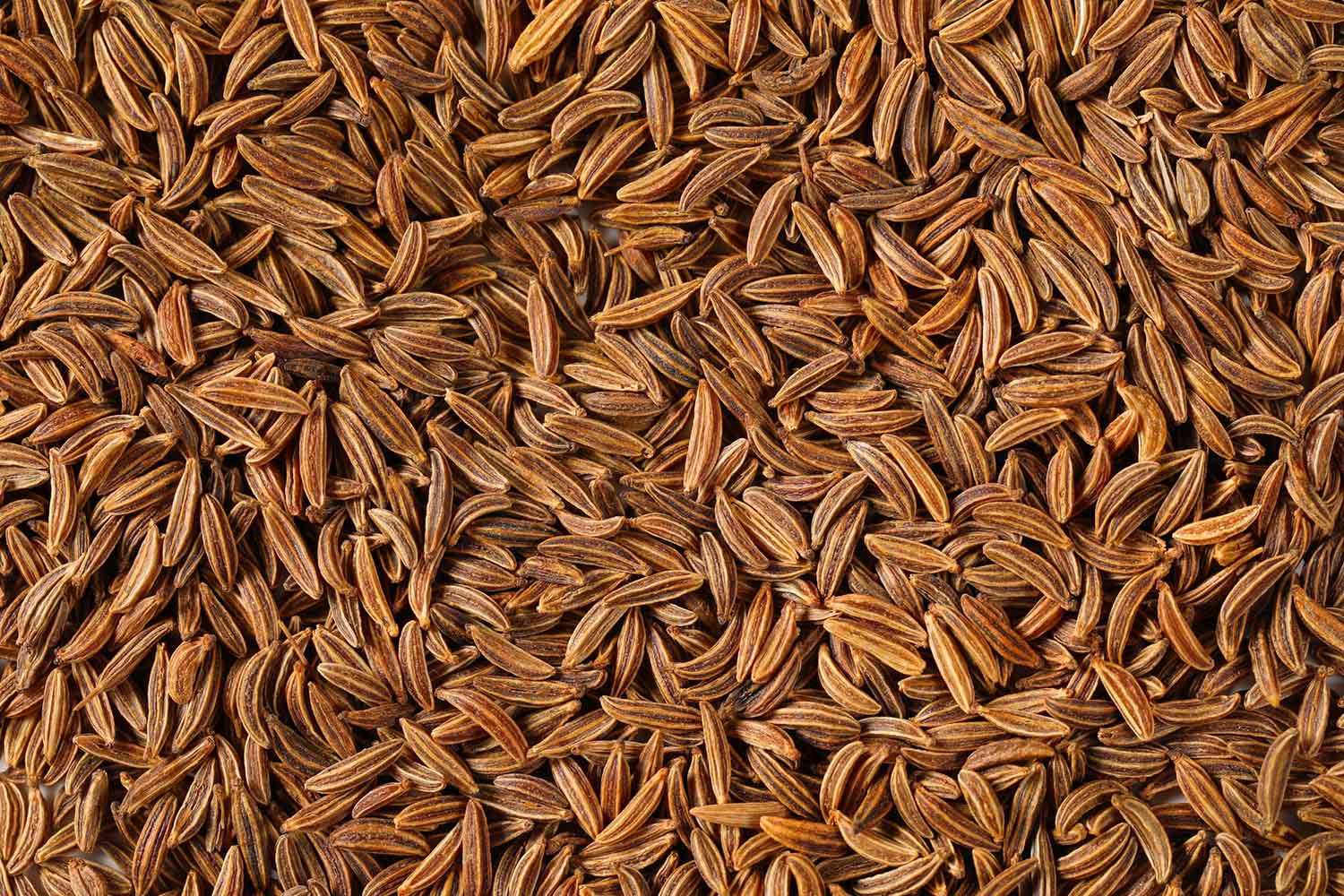
Scientists have developed a synthetic cannabidiol (CBD)-like compound from caraway seeds that demonstrates superior effectiveness in treating childhood epilepsy compared to existing medications.
The breakthrough, published in the journal Neuropsychopharmacology, offers a potential solution to current treatment limitations where many anti-epileptic drugs cause harmful side effects in developing brains or prove unsuitable for children.
Researchers from the University of Nevada, Las Vegas and New Mexico State University wanted to test the theory that a synthetic CBD-like substance could be effective at treating epilepsy without the safety risks associated with THC and other leading anti-epilepsy drugs.
The team of student-led researchers altered the shape of the main chemical component of caraway seeds to create a new class of medicines similar to CBD, which are thought to be safer, cheaper, and more effective than current benzodiazepine-based anti-epilepsy drugs.
“Benzodiazepines have been traditionally used as antiepileptic medications, however, the effects of sedation in children with intractable epilepsy has prompted a need for therapies without adverse sedative effects,” the study said.
The molecule known as (+)-CBD-oct, was part of a library of CBD-like, THC-free therapies derived by the researchers. Preclinical studies identified it as having the most potential for treating childhood epilepsy.
In laboratory tests, mice with induced seizures were administered (+)-CBD-oct whilst researchers monitored brain activity via ECG and recorded seizure details including duration, frequency, and survival rates. The team also assessed sedation levels before and after treatment.
The results showed that (+)-CBD-oct halved the number of seizure deaths in the mice, increased their activity, reduced the frequency of seizures, delayed seizure onset, and decreased the severity of their seizures.

“These fully synthetic compounds, made from a safe plant extract and free of THC, not only prevented seizures and reduced seizure-related deaths but also promoted healthier brain cell development — without the sedative side effects of current treatments,” said Dustin Hines, study co-author and professor of neuroscience at UNLV.
“Childhood seizure disorders are often resistant to available drugs, and both the seizures and the current frontline therapies can severely affect brain development, cognition, and quality of life, making the discovery especially promising.”
Despite the promising results, researchers acknowledged drawbacks of the study that included only testing (+)-CBD-oct on mice, inducing seizures in mice, focusing only on male mice, and testing just one dose, emphasising that continued research will be critical to advancing these findings towards future human trials and regulatory approval.
Current epilepsy treatments face significant challenges. Epidiolex, a CBD medication for treating seizures in patients as young as one year old, is prescribed only for certain severe forms of epilepsy and carries greater manufacturing, regulation, and pharmacy distribution burdens because it is derived from cannabis.
The caraway-derived compounds could potentially sidestep these regulatory bottlenecks whilst providing enhanced therapeutic benefits, the study claims.
“Advancing this new class of therapeutics holds significant promise for patients who have exhausted existing treatment options, whether due to debilitating side effects or a lack of response to currently available therapies,” wrote co-author Adriana Carrillo.
“It is encouraging to help build the foundation for future treatment options that could one day offer families safer and more effective choices.”
However, the researchers cautioned that simply consuming caraway seeds would not provide the therapeutic benefits, as the seeds do not naturally contain CBD but merely provide the chemical framework to create it.