A study has found that people who microdose psychedelics experience improved mood, creativity and focus on the days they take small doses – but these effects don’t carry over to the following day.
The research, published in the journal Psychopharmacology, tracked more than 1,400 people from 49 countries who regularly microdose substances such as psilocybin mushrooms or lysergic acid diethylamide (LSD). Participants reported significantly higher levels of well-being, productivity, creativity, connectedness, contemplation and focus on microdosing days compared to non-microdosing days.
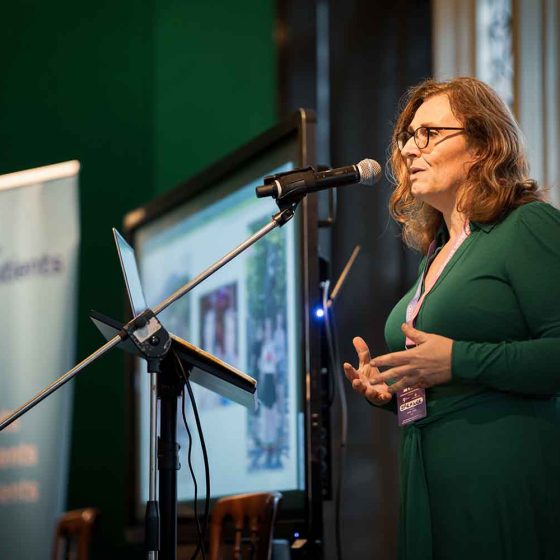
“Microdosing appears to lift mood and mental functioning on the days it’s practised, but not necessarily beyond that,” said Dr Michelle St. Pierre, a post-doctoral psychology researcher at the University of British Columbia Okanagan’s Irving K. Barber Faculty of Arts and Social Sciences, who led the study. “These findings help clarify when and how microdosing effects are felt.”
The findings challenge popular assumptions that microdosing produces lasting cognitive and emotional benefits. Many users alternate dosing days with rest periods, partly in the belief that positive effects might persist beyond the day of consumption.
Using data from the Microdose.me project – described as the world’s largest international daily diary study of real-world microdosing – researchers asked 1,435 participants each morning whether they had microdosed and how they felt across six key variables.
The study used multi-level modelling to identify statistically significant differences across all six areas on dosing days. Wellbeing showed the strongest improvement, followed by connectedness, focus, contemplation, productivity and creativity.
“Most doses vary from one-tenth to one-twentieth of a recreational dose,” Dr St. Pierre explained. “Typical practices alternate varying proportions of non-dosing days to limit the rapid tolerance that can develop with so-called classic psychedelics such as psilocybin and LSD.”

The research team examined whether effects varied across different groups, including by gender, mental health history, substance type and whether participants had previously taken larger psychedelic doses. Results remained consistent across nearly all categories.
The only notable difference emerged among people with a history of taking full doses of psychedelics, who showed slightly higher increases in creativity on microdosing days. Dr St. Pierre suggested this pattern might indicate that microdosing could “reactivate” or build upon effects from previous full-dose experiences, though she emphasised this interpretation remains speculative.
“We need future research designed specifically to test whether microdosing can amplify or extend the impacts of larger-dose psychedelic experiences,” she added.
The study’s prospective design – tracking experiences in real time rather than relying on retrospective recall – helps reduce memory bias that can affect self-reported data. However, Dr St. Pierre cautioned that as an observational study, the research cannot definitively separate genuine pharmacological effects from expectation or placebo effects.
“While interest in microdosing has grown rapidly, scientific research has only emerged over the past 15 years,” she noted. “This means popular use has outpaced the scientific support to back it up.”
The findings add to a growing body of research examining microdosing’s potential effects on well-being and cognitive performance. Previous studies have produced mixed results, with some controlled trials finding little difference between psychedelic microdoses and placebo, whilst others have identified mood improvements.