Using microdoses of LSD resulted in a ‘pronounced and long-lasting’ reduction in depression symptoms over eight weeks, according to the results of a new study.
Researchers from the University of Auckland, New Zealand, conducted a small-scale study to evaluate the effectiveness and safety of using doses of lysergic acid (LSD) small enough not to affect the consciousness of a patient, known as a microdose, to treat depression in 19 patients.
The researchers noted that the phenomenon of microdosing – taking doses below the threshold for substantial consciousness alteration – has emerged over the past decade, among communities of people who use psychedelics. “While reasons for microdosing psychedelics can vary, observational studies have shown that microdosing is often used as an attempt to self-treat depressive symptoms,” the study said.
The open-label study, which was published in the journal Neuropharmacology, required participants to take 16 doses of sub-lingual LSD over an 8-week period. Participants were aged between 21 and 65, had a diagnosis of depression, and had a MADRS score of between 18 and 35 before the start of the study. Most of the participants, 15 of the cohort of 19, were taking antidepressants at the time of the study, with the majority of them being prescribed SSRIs.
Potential participants were excluded from the study if they had any historical psychotic symptoms, bipolar disorder, PTSD, eating disorders, or a current risk of suicide. Exclusion also applied to those who had a current alcohol problem, had used psychedelics in the previous 6 months, or had historically used psychedelics to treat depression.
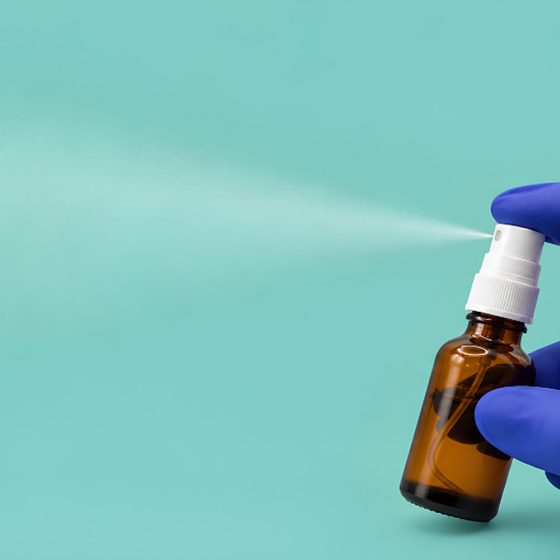
The first dose of LSD administered to participants was 8 μg and was given in the clinic to allow researchers to provide care if needed and to monitor the effects. Subsequent doses, taken at home, ranged from 4 μg to 20 μg based on participants’ reported effects.
Participants were instructed to “not to engage in any activity that posed a risk to self or others”, and not to take doses after 2 p.m. to prevent sleep disturbance. They were encouraged to engage in “self-selected psychologically beneficial activities” on dosing days.
A custom smartphone app monitored compliance through self-recorded dosing videos, provided reminders for both medication and planned activities, and encouraged them to take part in their pre-planned psychologically beneficial activity.

Researchers measured the participants’ level of depression, using the Montgomery-Åsberg Depression Rating Scale (MADRS) at the beginning of the trial, and repeated the measurements at 2, 4, and 6 weeks. Between 2 and 7 days after the final dose of LSD, participants were visited at home, where they were again assessed.
Participants also had their mental health and social well-being assessed at all stages of the study. These included assessments for physical, psychological and social well-being, anxiety, quality of life, rumination, stress, and others.
At the beginning of the trial, the mean MADRS score was ~23.7, and by the end of the treatment, this had dropped by about 59.5% to ~9.6. The cohort also saw improvements in their mental health and social well-being scores.
“Patients in this trial experienced a pronounced, long-lasting reduction in depressive symptoms evident from two weeks after the commencement of microdosing until at least the end of the regimen. The reduction of symptoms continued at four weeks of treatment, which stabilised and lasted up to 6 months after the end of treatment,” the researchers wrote.
The study found that anxiety was reduced by more than 50%, whilst rumination—repetitive negative thoughts characteristic of depression—decreased by 15%. Quality of life improvements were noted across physical, social, and environmental domains, with the largest improvements in psychological aspects at 37%.
Researchers acknowledged the small sample size and the open-label design as drawbacks and recommended that more research on the subject be conducted.
“This is the first trial to investigate the effects of repeated microdoses of a psychedelic in a naturalistic setting as a treatment for depression. The self-administration scheme was well-tolerated, presenting no serious or severe adverse events, and showed good feasibility with high levels of medication compliance (100 %) and study visit attendance (100 %). In addition, a relatively strong antidepressant response, with a 60 % reduction in symptoms, was observed,” the author wrote.
“Despite promising results, results should be interpreted carefully and taken as preliminary due to the open-label design. It is also important to note that the participants engaged in a mild therapeutic intervention (i.e., self-selected activities deemed mentally beneficial on dosing days), which can have a therapeutic value of its own.”