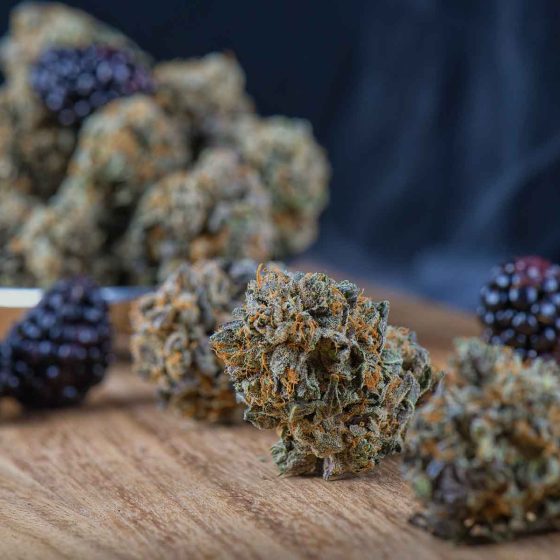
Morality has historically informed lawmakers’ decisions. For example, it is hard to argue against the premise that killing another person is immoral and therefore illegal. However, when it comes to UK drug laws, the connection between morality and legality becomes considerably more tenuous.
Why do humans take drugs?
Humans have been taking drugs and getting high since the dawn of time and this has little to do with morality or bad behaviour. According to one popular anthropological theory – The Stoned Ape Theory – magic mushrooms played a crucial role in the evolution of human consciousness. Many cultures integrate drugs into their cultural rituals e.g. ayahuasca being used as a ceremonial spiritual medicine in South America. Drugs are a way for humans to alter their consciousness and physical sensations, be that in the strobe lights of a nightclub at 2am or an epidural given during birth.
British philosopher and author, Professor Anthony Clifford Grayling, has previously written on the morality of non-medical drug use and argues that psychoactive substances serve a purpose in society.
He told leafie: “Getting high is a way for humans to turn down the stressful pressures of reality. Whether it’s going to a party, having a spliff, or a massage – it puts a buffer between us and the continual attrition of demands that the modern world constantly places on us. Noisy cities, arguments with your partner, trouble at work – psychoactive substances are just another way for humans to de-stress.”
Since different substances have different effects on the individual, Prof Grayling recommends distinguishing between three main types – tranquilising, energising and introspective. When looking at substances through this lens, it becomes clear that there is a purpose to taking any mind-altering substances, even the use becomes problematic down the line.
Doing drugs isn’t, and has never been, a moral dilemma.
The Harm Principle
John Stuart Mill’s harm principle, which is widely acknowledged by policymakers, states that no government, and indeed no person, has any right whatsoever to intervene in the behaviour of anybody else, unless that behaviour is going to cause harm to others. That is to say, you should be free to harm yourself as long as this doesn’t affect those around you.
The harm principle goes some way to explaining why some addictive and psychoactive substances are legal, such as nicotine, caffeine and alcohol. Many of these have the potential to cause harm to the user (especially in the long-run). In 2020, there were almost 9,000 deaths from alcohol-specific causes registered in the UK and around 78,000 people are estimated to die from smoking annually.
Prof Grayling continued: “Take alcohol, for example. Alcohol is an incredibly destructive drug. It causes billions of pounds of problems for the NHS every year, destroys lives, marriages, and careers. But society tries to limit the damage through licensing laws, legal drinking limits and age restrictions, rather than banning alcohol outright. Because that just would not be realistic.”

He added: “So you could argue for banning smoking in public places because of the effects of passive smoke on bystanders, or wearing a motorbike helmet, because if you do have a crash, you put an extra burden on the NHS and the welfare system. But only insofar as your actions risk harming those around you.
“Mill’s principle would suggest that the same approach should be taken towards any psychoactive substance, not just those that are deemed socially acceptable.”
Why do people die from drug (ab)use?
If we assume that human life is sacred, then the risk of death from substance abuse should be carefully considered when implementing drug-related laws.
However, it is rare that people die as a direct result of consuming the drugs themselves. In fact, the two main reasons for death from drug use boil down to a) withdrawal and b) accidental overdose. Both of these issues stem from an unregulated market, inconsistent access and unknown product. Having safe access to substances and a safe space to consume those substances (the harm reduction approach) should be a critical part of any drug policy that claims to protect us from harm.
Prof Grayling told me about a son of an acquaintance who died from a heroin overdose: “His 16 year-old son and his friend decided to experiment. They managed to get some product but they didn’t know how much to take or what kind of quality the heroin was. They both died as a result of that single experiment and that was a perfectly preventable tragedy.”
Those who end up having a problematic relationship with drugs are not moral failures, either. They are people who need help and their addiction needs to be seen through a healthcare perspective, rather than a moral one. Addiction is not just about people making bad choices, it is a result of complex socio-economic and psychological factors.
By framing any drug use as immoral, we are putting the onus on individuals who struggle with substance abuse to ‘become better people’, rather than treating addiction as a health issue that the government has a responsibility to address (not just prohibit). UK drug laws must move away from the good/bad behaviour dichotomy and acknowledge that whether or not drugs are decriminalised, humans will find a way to get access to them.
Prof Grayling concludes: “What happens when you ban things which people want to take and which produce some form of happy feelings? If we cast our minds back to early 20th century prohibition attempts in the US it is clear that the only outcome is a big boost to the criminal industry.
“The iron law is that if people really want something, they will get it one way or another. And therefore rational policymakers will try to manage that, rather than attempting to ban these substances altogether.”