Western governments have been waging a war on drugs for over 50 years, but it is time to admit defeat.
The continued failure of the war on drugs has caused science and society to suffer. Drug prohibition has prioritised unjust criminal penalties over harm reduction, causing untold suffering and countless avoidable drug-related deaths.
We are experiencing a public mental health crisis; dependence on SSRIs is increasing, all whilst research into drugs with potentially life-changing therapeutic benefits has been swept into the dark. But as our attitude towards psychoactive substances is changing, does modern science have what it takes to end the war on drugs?
The war on drugs, a brief history
The 1960s: a decade of backlash against the US government. When Americans protested the US involvement in the Vietnam War, activist groups began to reject the rigid, stringent rules placed upon them. Many found solace in cannabis and LSD. These substances, used for escapism, adventure, and expanding consciousness, led people to choose peace, and a counterculture movement was born.
Drugs soon became a symbol of hippie culture; their powerful psychoactive properties fueled the 60s counterculture by changing the way people saw the world. But US government authorities retaliated. As an attempt to regulate the behaviour of activist groups, President Nixon implemented harsh restrictions on the production, possession, or supply of countless substances, and the UK soon followed.
In 1971, the UK government introduced the Misuse of Drugs Act, where substances were categorised into groups based on their hazardous potential. This was then amended with the Misuse of Drugs Regulations 2001 and LSD, psilocybin (‘magic mushrooms’), ecstasy, and cannabis were all labelled Schedule 1 controlled drugs; they were deemed unsafe, highly addictive, highly abusable and, worst of all, said to have ‘no therapeutic value’.
Prior to this point, psychedelics were on the precipice of therapeutic success. In the 50s, LSD was being researched as a tool to mimic schizophrenia and treat alcoholism. It held the potential to completely transform psychiatric treatment. Yet, suddenly, psychedelics were said to have no medicinal use.
Drug policy holds science back
Despite legal restrictions, 3.2 million UK adults were thought to have taken drugs between 2019 and 2020. The war on drugs has failed, and as a result of attempting to police drug use outside of the lab, science has suffered; 50 years after US President Nixon declared the war on drugs, the scarcity of critical drug research may be its greatest legacy.
50 years after US President Nixon declared the war on drugs, the scarcity of critical drug research may be its greatest legacy.
Just as researchers were beginning to grasp the therapeutic wonders of marijuana and psychedelics, these drugs were rashly deemed medically useless, and scientists were forced to halt all research.
Half a century later, science has come on leaps and bounds; we’ve sequenced the human genome, found cures for cancers, and begun to reap the benefits of artificial intelligence. But research into Schedule 1 drugs is scarce.
Investigating Schedule 1 drugs can be expensive. Research teams require legal and medical licenses which often come with a hefty fee, and without support from the government, this is rarely publicly funded. Only now that the longstanding stigma against Schedule 1 drugs is beginning to be challenged are investors giving drug research more attention.
Despite experts’ efforts to argue the therapeutic benefits of cannabis and psychedelics, the public stigma remains. Misinformation from the 70s about the dangers of controlled substances continues to circulate, and the persistent anti-drug attitude of the UK government keeps their clinical progressions out of the spotlight.
Modern science separates fact from fiction
Clinical medicine requires unbiased research that is free of stigma and political bias. For controlled drugs to undergo the same rigorous testing as any other emerging therapy, their demonised reputation must be challenged.
If we look at the criteria of a Schedule 1 drug, dangerous, addictive, medically useless, do cannabis and psychedelics actually fit the bill?

No therapeutic value
Despite being said to have no medical use, results from recent trials of psychedelic-assisted psychotherapy and medical marijuana suggest otherwise.
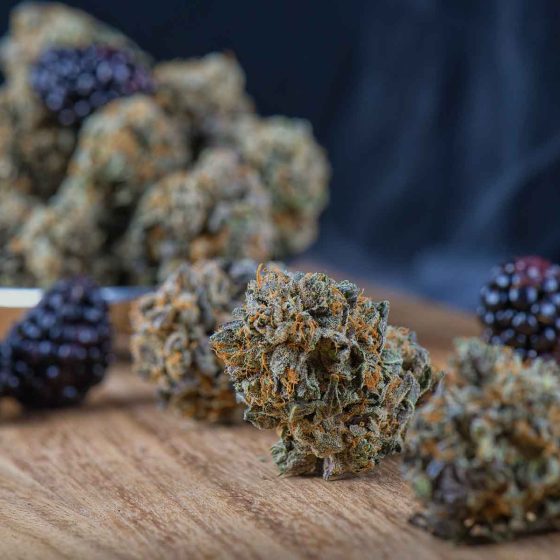
Psilocybin shows promise in the treatment of depression, OCD, substance abuse, addiction, eating disorders, and end-of-life anxiety. LSD appears to treat alcohol use disorder. MDMA is an effective treatment for PTSD. Cannabis can reduce spasticity in multiple sclerosis and nausea from chemotherapy; it may also relieve symptoms of chronic pain, epilepsy, HIV/AIDs, Alzheimer’s disease, and much more.
With the longstanding licensing restrictions against these substances, very few of these therapeutic avenues are approved and available, but the clinical evidence is growing, and they most certainly do have a use in modern medicine.
Dangerous
Marijuana is the ‘killer drug’. MDMA makes ‘holes in your brain’. LSD ‘damages your chromosomes’. Scientists have long been investigating whether there is any weight to these claims made in the 20th century, are these drugs actually dangerous?
In 2010, The Lancet published a report on the harms of the UK’s drug use. Researchers ranked substances from most to least dangerous, considering their potential to harm the user and others. Ecstasy, LSD, and magic mushrooms were deemed the least dangerous substances, and alcohol took the top spot.
Granted, this report overlooks some of the nuances of drug policy. For example, alcohol likely tops the chart because it is so readily available. It does, however, highlight the UK’s poor drug classification system and suggests that the hysteria around psychedelics and cannabis has wrongfully tarnished their reputation.
Highly addictive
Heroin and cocaine are two of the most addictive recreational drugs. Despite their known dangers, both of these drugs have medicinal uses; they are categorised as Schedule 2 and therefore have fewer restrictions in place for their possession and supply. But how do these highly addictive substances compare to psychedelics and cannabis?
Researchers have concluded that LSD and psilocybin are non-addictive. In fact, Professor David Nutt, neuropsychopharmacologist at Imperial College London, told Technology Networks that psychedelic drugs are ‘are anti-addictive. They do not cause addiction. One of the reasons they are banned is because people said they were addictive when they’re not; they treat addiction. They don’t cause addiction.’
Cannabis is also an inherently safe and non-toxic substance, but it can be abused. The pharmacology of a drug is not the sole determinant of its ability to do harm; other factors come into play, such as genetics, pre-existing mental health issues, and the physical environment of drug use. For example, psychedelic therapy is safe when in a controlled environment, whereas recreational psychedelic use has a risk of danger with misadventure.
Though if we compare the recreational use of heroin and cocaine with psychedelics, the latter is certainly much safer; it is near impossible to administer a toxic dosage of LSD and psilocybin. So, if opioids, like heroin, can be used medically in spite of their high abuse potential, can we not do the same with cannabis, psilocybin, LSD, and other Schedule 1 substances with therapeutic promise?
The future of drug research
Those in opposition of easing Schedule 1 drug restrictions will often use the lack of scientific research to back up their argument, and they’re completely right; there isn’t yet enough evidence to confirm the therapeutic effectiveness of some of these substances. But they do hold great promise, and using this position to fight against the research itself will only put up further barriers.
In comparison to the 1950s and 60s, recent clinical studies of psychoactive drugs are far more rigorous, so the evidence we have in support of cannabis, magic mushrooms, LSD, and other psychoactive substances as a therapeutic tool is convincing. But until these substances are legalised for research in the UK, their medical use remains at a standstill.
Despite the US government pioneering the war on drugs, America seems to be on a one-way road to the end of drug prohibition. Cannabis has been legalised in 18 states and Oregon has recently become the first state to decriminalise the possession of psychedelics.
However, the UK seems only to be clamping down on drug laws. Prime Minister Boris Johnson recently announced a 10-year drugs strategy to ‘cut crime and save lives’, but this punishment-focussed approach will likely worsen the stigma against illegal substances and continue to starve people of potentially life-changing therapeutic help.
Drug policy should be based on scientific evidence, not politics. We’ve already let half a century of research slip through our fingers, so we must now put our trust in modern science to end the war on drugs.